Play Starts Here
Discover simple, actionable ways to bring more play into everyday life. Whether you’re a parent, educator, or policymaker, explore ideas and tools designed to help you put play into practice and create space for creativity, learning, and connection.

I am...
.avif)
Never Stop Playing!
%20(1).png)
Let Play Lead Learning!

Make Play Possible!
Play is for Everyone

Play to Connect
Play brings people together through shared attention, laughter, and imagination. It creates moments where children and caregivers can build and strengthen relationships.
Invitation to Play
Join your child’s play for a few minutes and follow their lead, or invite them into yours. Blast some music and have a dance party. Build something side by side. Play a video game together. Let connection lead.

Play to Express
Play offers children many ways to share ideas, feelings, and stories beyond words. Through making, moving, and imagining, they show what matters to them.
Invitation to Play
Offer open-ended materials, both hands-on (like blocks, art supplies, and loose parts) and digital (like drawing apps, music tools, or photo and video tools). Provide space to explore, and notice what your child chooses to create and share.
Play to Process
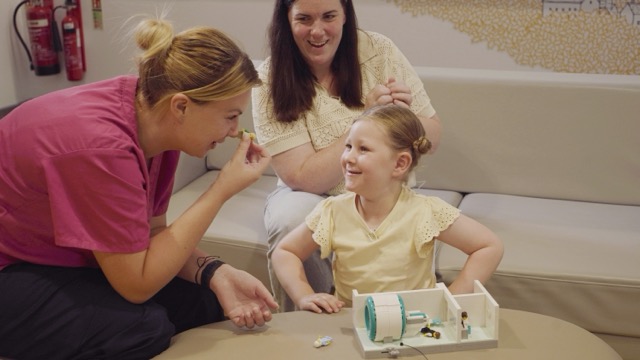
Through play, children explore experiences, emotions, and big questions at their own pace. Pretending, building, and storytelling help them make sense of what they’re grappling with and wondering about.
Invitation to Play
When your child returns to the same theme in play, stay curious and let the story unfold, creating a space for them to safely process their ideas and feelings. For more ideas, explore Build Big Feelings and Build and Talk to spark your thinking.
Play to Explore
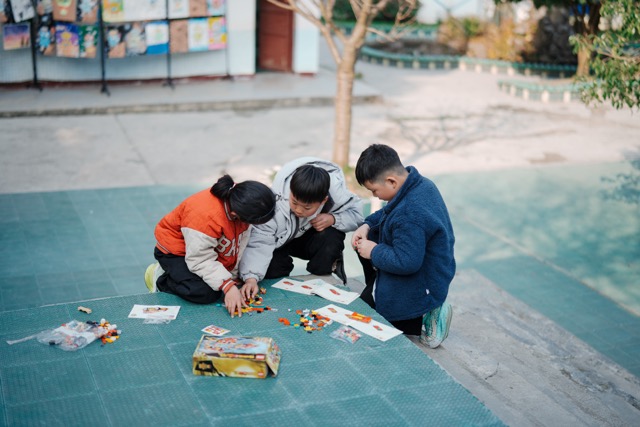
Play is fueled by curiosity as children test ideas, experiment, and discover how things work. Exploration can happen at the kitchen table, out in nature, within a virtual world, and anywhere in between.
Invitation to Play
When you notice your child exploring, lean in with “What if?” or “I wonder…” and see where the curiosity takes you.
Play in Everyday Moments
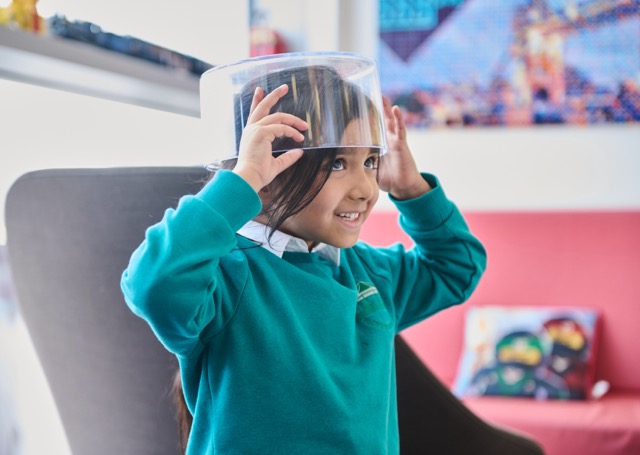
Play doesn’t only live in special playtime. When playfulness enters everyday routines, ordinary moments become chances to connect and grow.
Invitation to Play
Pick an everyday activity — cooking, getting dressed, tidying up — and add a playful twist together. UNICEF’s Playtime, Anytime! offers more inspiration for bringing play into daily life.

Advocate for Play-Friendly Spaces
Children thrive in communities and across spaces where play is welcome — in parks, libraries, sidewalks, classrooms, public spaces, and digital environments. As they move seamlessly between these spaces, each one shapes their development, wellbeing, and sense of belonging.
Invitation to Play
Support and advocate for safe, inclusive, and joyful spaces where children play both offline and online. Be inspired by their ideas by using tools like Build the Change Playful Cities and Build and Talk to understand how they like to engage in these spaces and what makes them welcoming, fun, and meaningful. Use their insights to guide your conversations with other parents, schools, community leaders, and digital platforms, helping to advocate for and shape environments that will support children to thrive wherever and however they play.
Champion Play in Schools
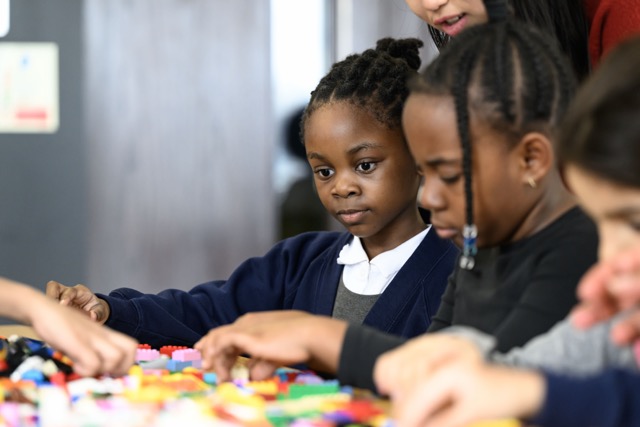
Play doesn’t compete with learning - it fuels it. Through playful learning, children build creativity, collaboration, problem-solving, and confidence.
Invitation to Play
Stay curious about how play shows up in your child’s school. Ask how creativity, exploration, and hands-on learning are supported. When opportunities arise, lend your voice to approaches that protect time and space for playful learning.
There is still so much more you can do
Character Voices Storytime
Pick a book and each take a character voice — silly, dramatic, or goofy — when you read aloud together. It turns a regular read-aloud into a performance your child will look forward to! (This comes from the idea of making reading lively by varying your voice.)
Act Out Your Favorite Stories
After reading, use toys, puppets, or even just yourselves to act out the story. This is a playful way to deepen engagement and bring the book to life — and kids often remember the story better afterward!
Play With Purpose
Turn everyday routines into play: · Laundry becomes a sock-sorting race · Cooking turns into a “kitchen band” session with spoons & pots
These little playful moments can build problem-solving and cooperation skills
Daily 10-Minute “Story Snack” Routine
Set aside just 10–15 minutes every day for books — maybe after school, during breakfast, or before bedtime — where phones and screens are put away and you cozy up together. You’re building a habit and a special bonding ritual.
Superhero Costume Lottery
Make a quick costume from things around the house (scarves, hats, towels), then act out superhero adventures as a team. Use your imagination to solve a silly “save the day” challenge!
Turns Reading Pages
If your child is starting to read, alternate pages with them. You read one, they read one — cheering each other on. Ask fun questions like “What do you think will happen next?” to keep them curious.
“Passport to Play” World Games
Turn playtime into a mini-world tour! Try a simple game from another country together (think scavenger hunts, “Statues” freeze dance, or classic tag with goofy names). Use only household items — no special gear needed!
Photo Scavenger Hunt
Give your kid a list of things to find and snap around the house or yard — colors, shapes, or textures. This turns simple exploring into a playful mission
Family Puppet Theater Night
Put on a homemade puppet show with socks or paper bag puppets. Ask your child to create characters and tell a story — you can even record it! (Great for imagination and storytelling skills.)
A Mini “Family Book Club”
Once a week, read a short book together and have a tiny discussion: favorite part, funniest character, or what they’d add to the story. You could even invite another family to join! This also fits with UNICEF’s idea of storytime and shared reading experiences.
Outdoor Play Adventure
Head outside — even just in the yard, park, or driveway — and invent a nature scavenger list (find a leaf, something round, something blue). Fresh air + play = huge mental and physical benefits.
Indoor/Outdoor Obstacle Course
Use cushions, chairs, chalk lines, or backyard objects to build a simple obstacle course. Time each other, cheer each other on, and maybe create goofy awards at the end!
.avif)
Play@TED Learning Lab
Explore hands-on activities, resources, and playful tools designed to spark creativity, curiosity, and learning for all ages.
Champion Play in Schools
Play doesn’t compete with learning - it fuels it. Through playful learning, children build creativity, collaboration, problem-solving, and confidence.
Invitation to Play
Stay curious about how play shows up in your child’s school. Ask how creativity, exploration, and hands-on learning are supported. When opportunities arise, lend your voice to approaches that protect time and space for playful learning.

Reimagine Public Spaces as Play Spaces
Leverage state parks, transportation, and infrastructure budgets to create more child-friendly, safe, and nature-based play environments. Prioritize green schoolyards, walkable neighborhoods, and play installations in areas where children live and learn.
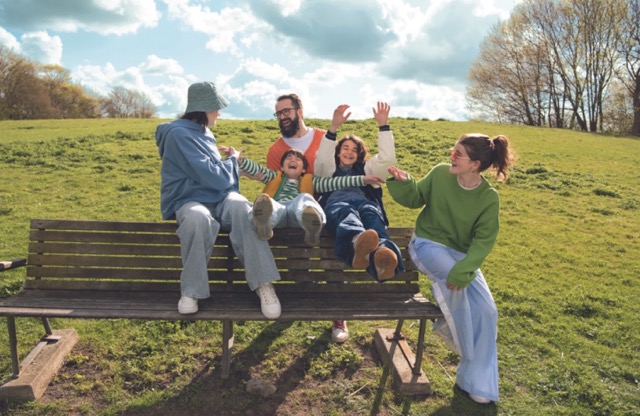
Expand Playful Parenting and Caregiver Support Programs
Fund or scale programs that help parents and caregivers integrate play into daily life — including home visiting programs, public health campaigns, and caregiver workshops. States can integrate playful parenting into early childhood systems supported by health, education, and family agencies.
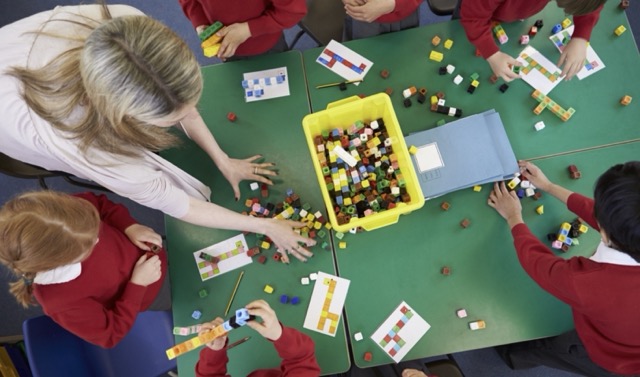
Adopt Play-Based Learning Standards in Public Education
Integrate required hours of play-based learning into state early childhood education standards. Encourage a balance of structured and unstructured play in Pre-K and Kindergarten settings to promote creativity, collaboration, and problem-solving from the earliest years.
There is still so much more you can do.
Meet with families and educators
to co-create playful spaces and policies
Adopt a Resolution
Recognizing June 11 as the International Day of Play in your city, state or country or host a community IDOP celebration, increasing access to play and raising the importance of play.
Introduce or Support Legislation
That advances play-based learning, parenting, or infrastructure
Fund a Local Pilot Program
that expands access to play in underserved neighborhoods
What's already being done?
Mandating Play-Based Learning
In 2018, New Hampshire passed a first-of-its-kind state law requiring public kindergarten programs to use play-based, child-directed learning approaches. The law emphasizes exploration, movement, and creativity, and has since led to statewide coaching efforts for educators. Early wins include deeper student engagement and stronger family buy-in for developmentally appropriate learning.
Lesson
States can lead on creating playful spaces where it matters – early and often. And can focus on child wellbeing in the process.
Influencing education policy
PlayMatters, a consortium of international partners working to improve learning outcomes for children in crisis through play-based approaches, played a key role in shaping Uganda’s Second Education Response Plan (ERPii). It helped position play-based learning as a recognised education innovation for refugee and host community contexts.
Working closely with the Ministry of Education and Sports, PlayMatters provided technical support to the development and implementation of the education response plan, strengthening coordination, resource mobilisation, and financing. This contributed to increased investment in Education in Emergencies and greater prioritisation of Early Childhood Care and Education.
Lesson
Education response plans can enable the scaling of play-based learning, reaching a majority of refugee learners and improving learning conditions at scale.
Reimagining Civic Space through Play
On June 11, 2024, Boston celebrated the first International Day of Play with a public activation at City Hall Plaza. Children and families co-created a LEGO model of “What a More Playful Boston Looks Like,” alongside hands-on workshops, youth statements, and city leaders in attendance. The event sparked new conversations around public space, equity, and community joy.
Lesson
Local governments can lead by example and let children help design the future.
Creativity as a National Learning Priority
In 2022, Singapore added “Creative Thinking” to its national assessment framework for 15-year-olds, recognizing that innovation and adaptability are essential in a fast-changing world. This move followed years of curriculum design focused on problem-solving, group collaboration, and real-world application in classrooms as early as preschool.
Lesson
Governments can signal what matters by what they measure.
Playful Parenting Programs
A great success story has emerged from Bhutan, where the Bhutanese government has recently issued an executive order to make playful parenting support available to families with young children at all health facilities across the country.
This follows the LEGO Foundation’s four-year grant to Save the Children Bhutan, who have worked with the government and other partners to scale up their playful parenting program nationwide. The scaling process was supported by implementation research from FHI360, which helped drive evidence-based adaptations to the program.
Lesson
Governments can scale up programmes to increase the impact for children by equipping families with simple, joyful ways to nurture their children’s holistic development.
Take play with you. Download the full guide and explore simple ways to bring more play into your day.
Explore ideas around play
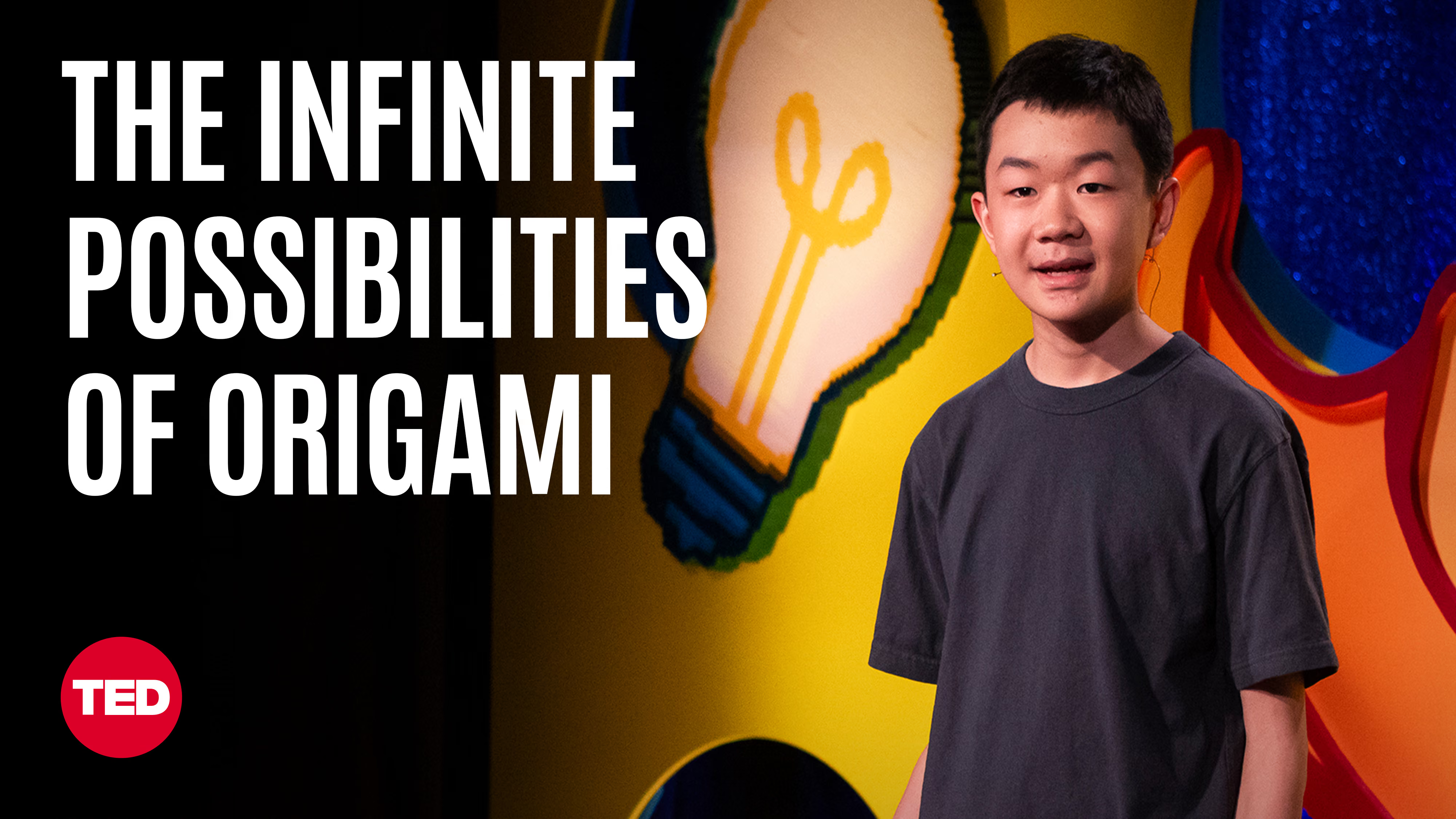
Origami, the ancient art form solving modern problems
14-year-old student Miles Wu is obsessed with origami, transforming everyday scraps of paper into unexpected creations. In a joyful talk, he explores the ancient art form — from making Christmas ornaments and pigeons to folding patterns that can hold 10,000 times their weight — and shows all the possibilities hiding inside a single piece of paper.