What makes a good game?
What’s the best way to make a project more playful? Game designer Eric Zimmerman has a counterintuitive suggestion: a few good rules. Drawing on his experience making everything from video games and tabletop classics to museum-scale installations, he breaks down how creative play comes to life — and how to harness the power of constraints to create endless fun.
Big ideas start with play

Why the best ideas come from play
Archaeologists have found material, visual, and written evidence for toys across the ancient world. In 3000 BCE Anatolia, miniature toy carriages raced through the dirt. In the Indus Valley a thousand years later, a toddler giggled at the sound of their terracotta whistle. So, what other playthings have delighted us through history? Trace the ancient origins of toys, games, and play traditions.
The missing ingredient in how we learn.
Before the last few centuries, children around the world spent most of their time learning through play: observing and mimicking adults, roaming their surroundings, and sharing what they learned with friends and family. Many communities and educators still believe play is one of the best teachers we have. Explore the benefits and challenges of using self-directed play-based learning in schools.
Why do babies love peek-a-boo?
In Italy, it’s called il gioco del cucù. Palestinians say ba' 'éno. And in Japan, it’s inaīnaibā! Peek-a-boo is a near-universal source of laughter and connection for infants and adults— it’s the first game that almost everyone plays. So what is it about this goofy game that babies love so much? Dig into how this simple game promotes the development of our cognitive, motor, and social skills.
Why kids need to take more risks
The best play environments offer freedom and novelty that kids can explore as much or as little as they like. But traditional playgrounds don’t offer much flexibility— swings, slides, and climbing frames are hardly novel structures. So, how do we create better play spaces? Explore the cognitive benefits of risky play and how we can design playgrounds that promote fun, agency, and development.
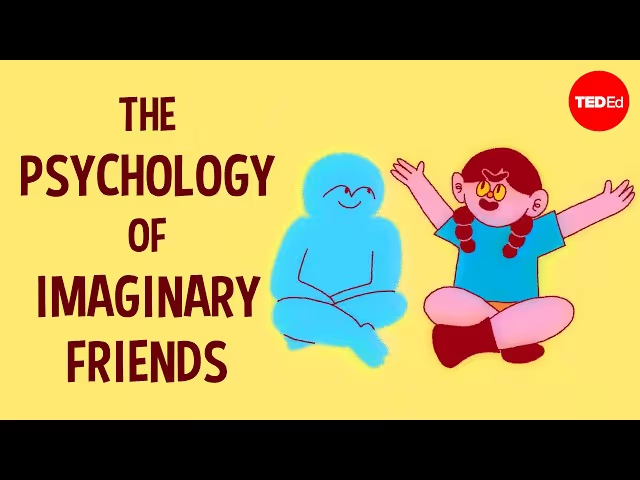
Have you ever had imaginary friends?
Explore the psychology behind why children invent imaginary companions and what skills they can develop through pretend play.

The shape-shifting sounds of the accordion
Musician Maria Telesheva plays the accordion like a second set of lungs, showcasing this powerhouse instrument and its impressive 226 buttons — whether she’s playing Bach or the Beatles. In this talk and performance, she discusses how she fell in love with this musical acrobat and plays two beautiful songs.
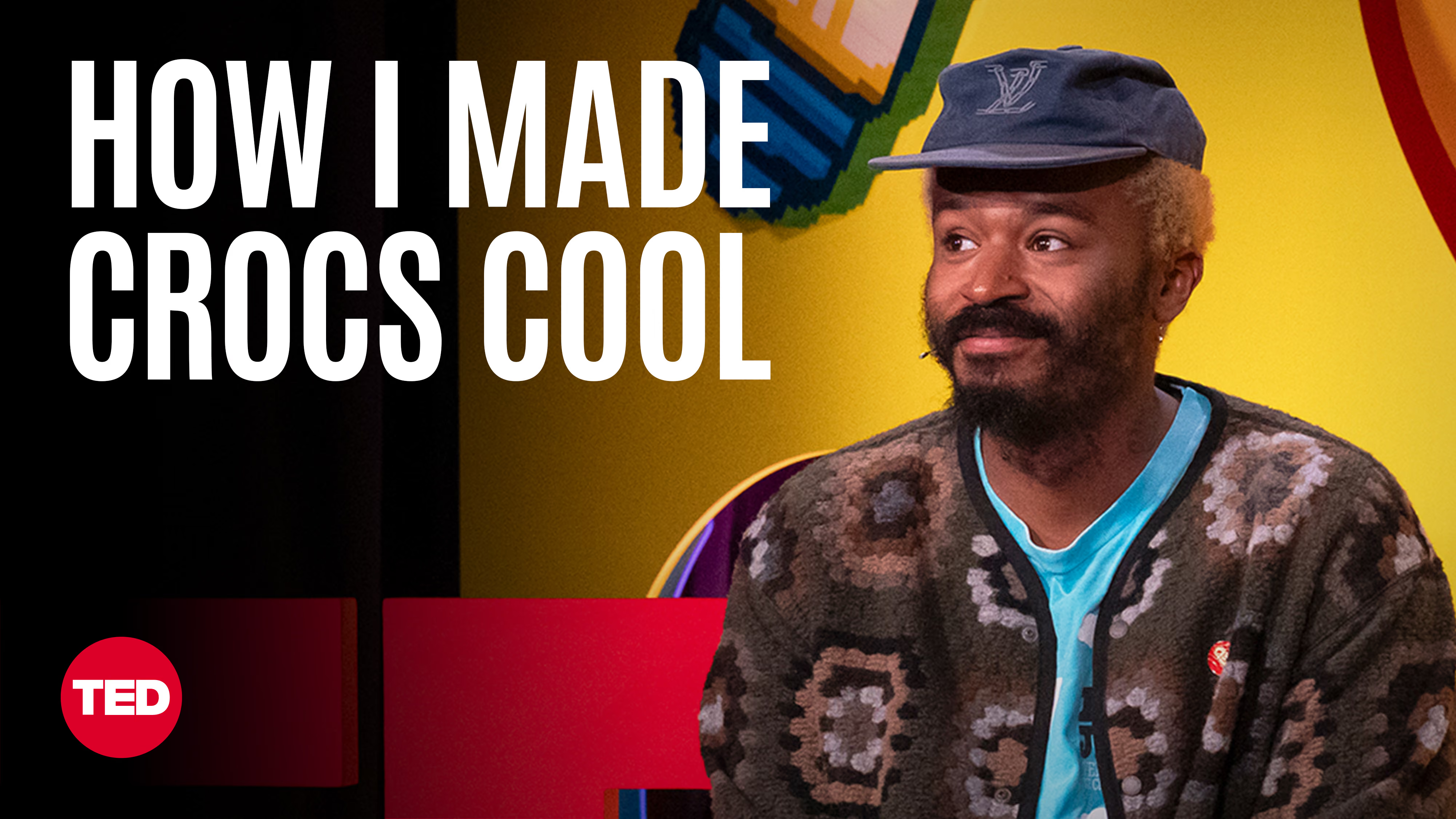
The creative genius of sneaker design
Designer Salehe Bembury turns sneakers into stories — like a sunset-colored shoe and footwear with a hiking whistle in the heel. In conversation with TED's Cloe Shasha Brooks, Bembury walks through some of his most coveted drops (for Crocs, New Balance, Versace and more) and breaks down the risk-taking behind his work.
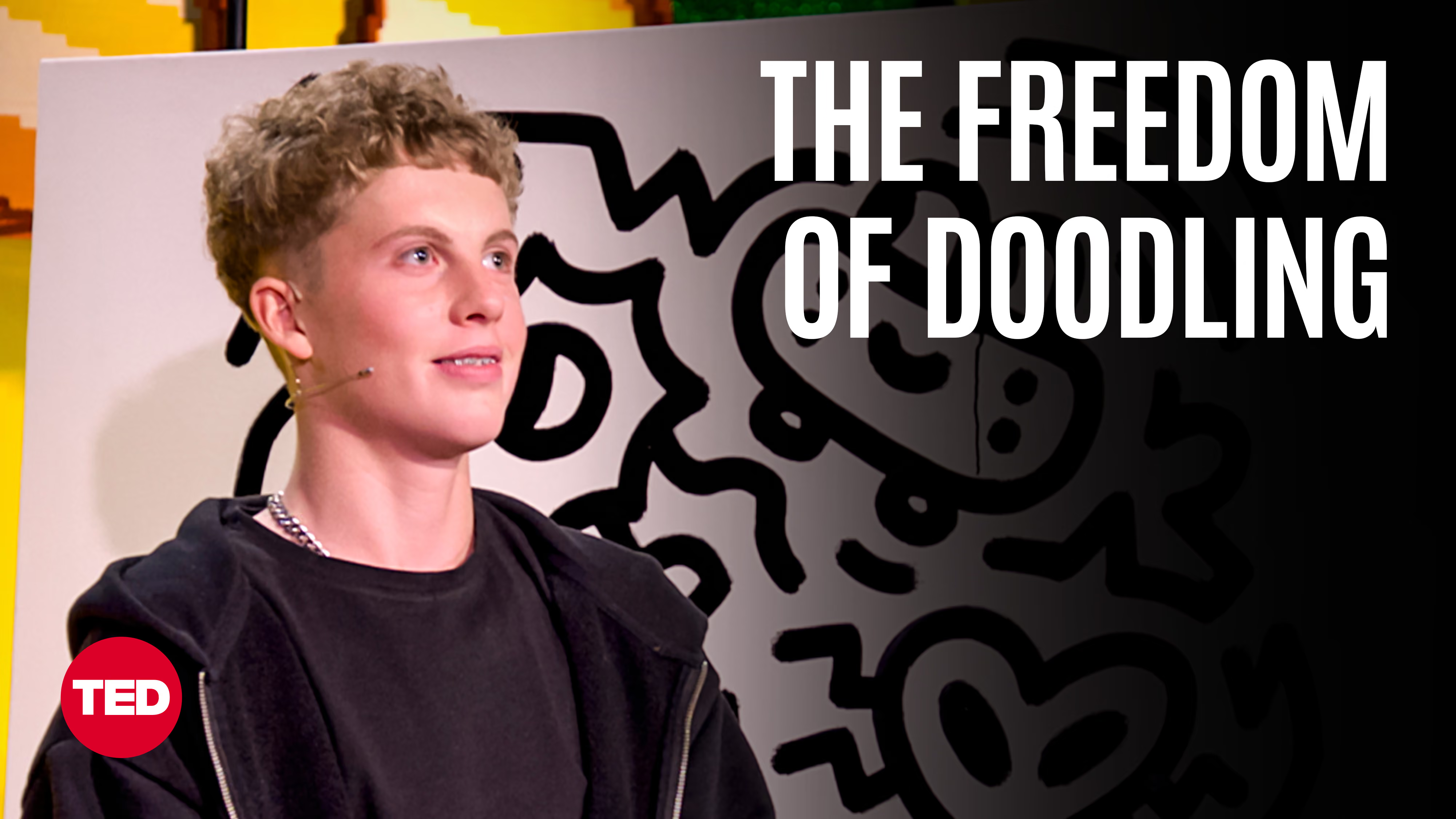
How doodling unlocks your imagination
Artist Joe Whale used to get in trouble for doodling in class, until a local restaurant let him cover an entire wall with his artwork … and the internet took notice. He traces his unlikely beginning to a bigger story: your imagination is a muscle, and it weakens when you hand it off to AI. Through a live doodling demo, he shows in real time what it looks like to let a thought become a drawing, one line at a time.
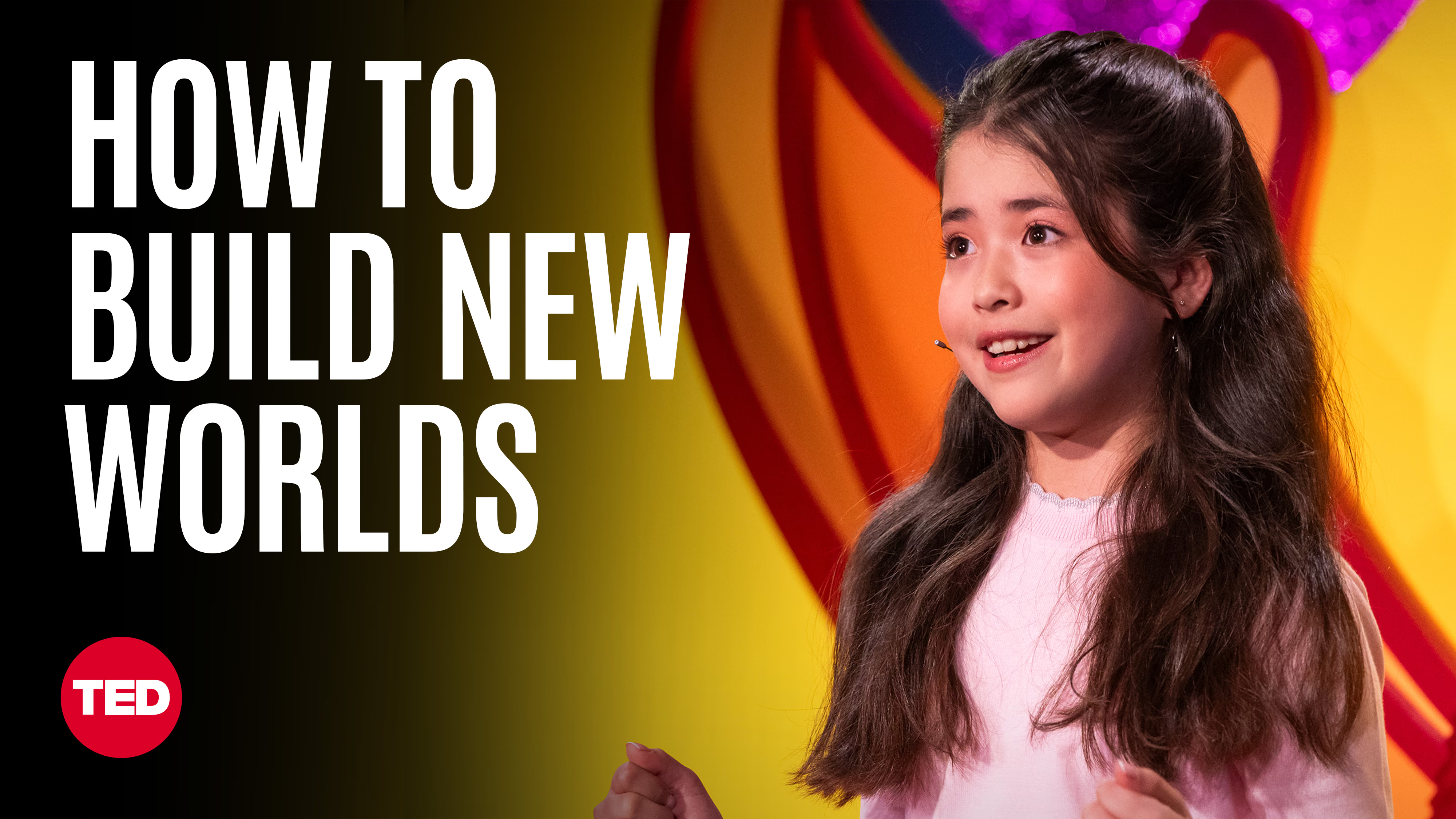
The power of imagination - onstage and off
When professional child actor Suki Hillier landed the title role in "Matilda The Musical," she thought she would have to learn how to become someone else. Instead, she realized she had known the role since she was three, when she playfully tried to move objects with her mind the way Matilda does. In this joyful talk, she reveals the similarities between the stage and life — because imagination isn't about escaping the world. It’s a way of building one.
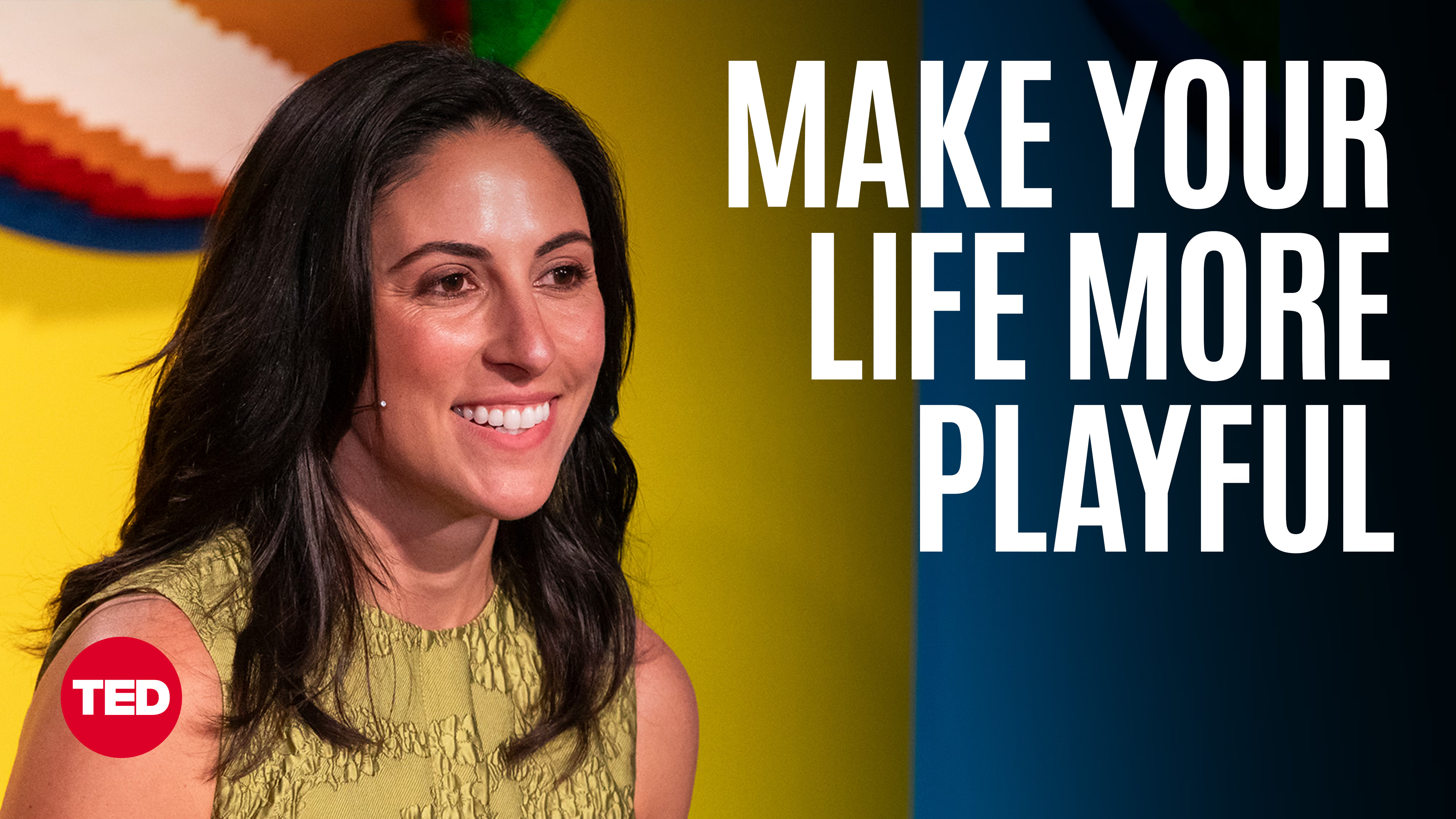
How play boosts your creativity and resilience
When was the last time you just ... played? Creative health scientist Katina Bajaj thinks adults are in a "play deprivation crisis," where we've replaced our fun-loving human nature with optimization and efficiency. She makes the case that play isn't a reward for productivity but rather a survival skill — and invites you to rediscover the freedom of not knowing where something will end up.
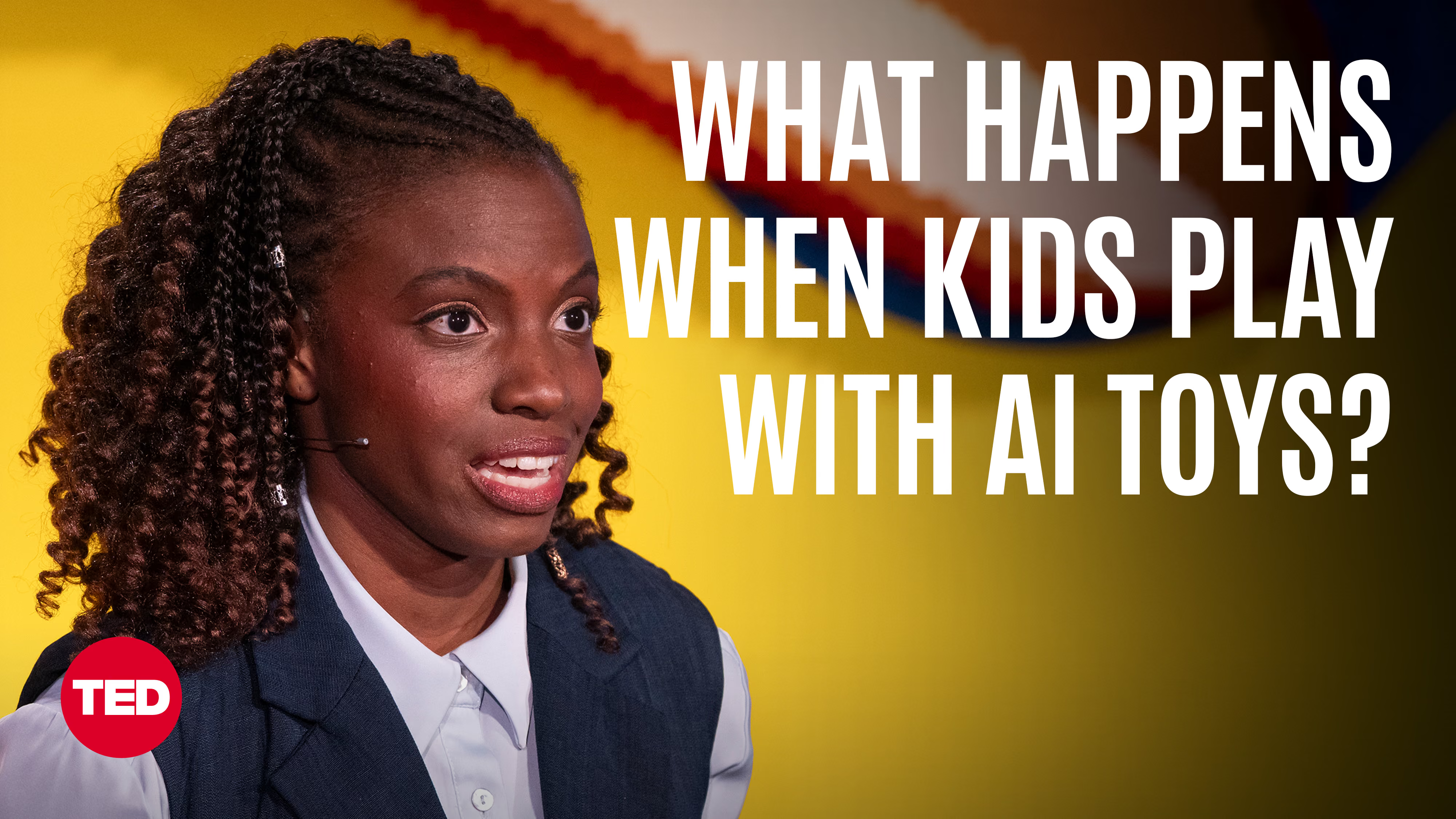
How to raise kids who question AI
AI education researcher Randi Williams has spent years studying how kids interact with technology and toys, and what she's found should make every parent stop and think. She reveals how, as tech companies embed AI inside toys, children are forming strong emotional bonds with machines. Explore what this means for their development — and why a playful fix might start with teaching kids to break the things they love.
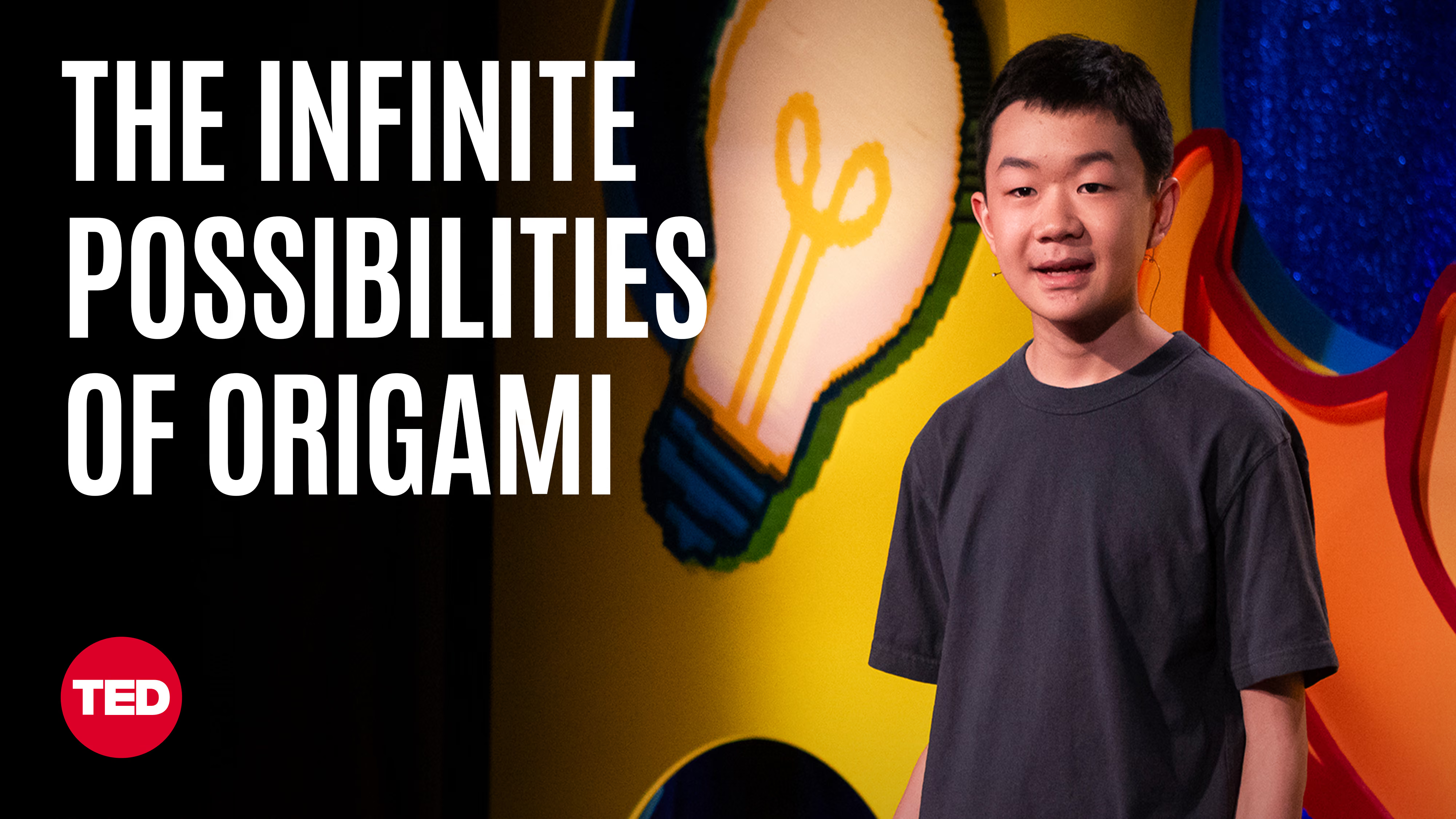
Origami, the ancient art form solving modern problems
14-year-old student Miles Wu is obsessed with origami, transforming everyday scraps of paper into unexpected creations. In a joyful talk, he explores the ancient art form — from making Christmas ornaments and pigeons to folding patterns that can hold 10,000 times their weight — and shows all the possibilities hiding inside a single piece of paper.
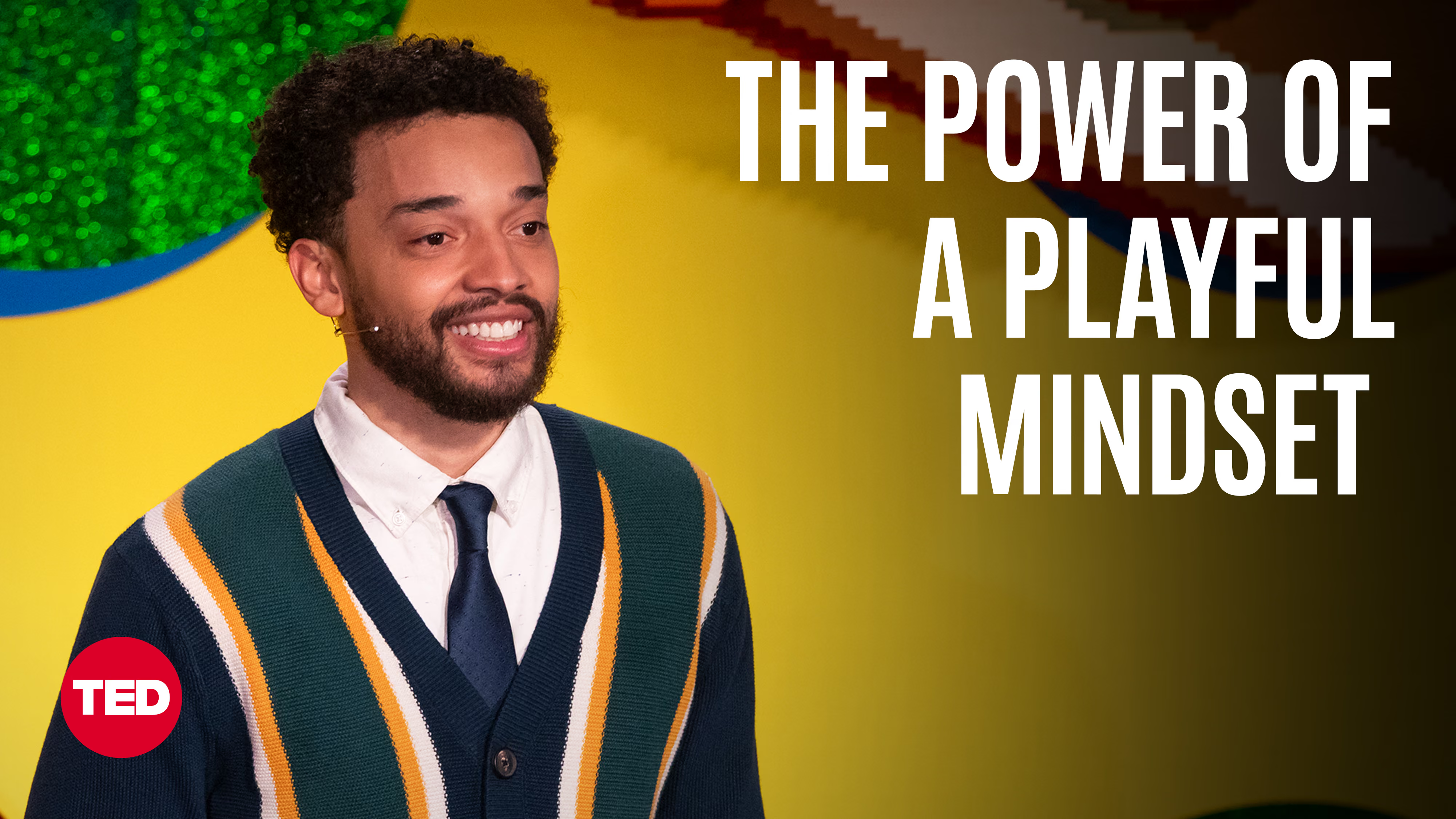
Why the best ideas come from play
Coaches kept telling Maxwell Pearce to stick to the fundamentals. Good thing he didn't listen. A Harlem Globetrotter and artist, he went on to build a global reputation for gravity-defying dunks and a theory that the same playful rule-breaking is what powers progress in every field. In this joyful talk, he makes the case that play isn't the opposite of serious work — it's the secret ingredient behind it.
I am...
.avif)
Never Stop Playing!
%20(1).png)
Let Play Lead Learning!